Following guidelines keeps employees healthy and protects their well-being. They can perform their jobs more effectively, and be confident that they don’t have to worry about being injured or suffering from an illness. This creates a more positive atmosphere and everyone can be more comfortable at work.
What is legal and regulatory requirements?
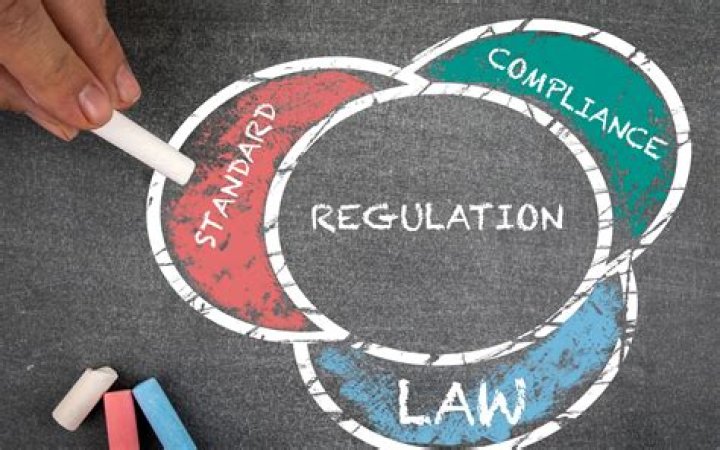
Both statutory requirements and regulatory requirements are those requirements that are required by law. “Statutory refers to laws passed by a state and/or central government, while regulatory refers to a rule issued by a regulatory body appointed by a state and/or central government.”
Why is it important to have and enforce safety regulations?
In the workplace, health and safety regulations are paramount to the well-being of the employees and the employer. OSHA ensures that all of their guidelines for health and safety or followed and anyone in violation can have their business shutdown. …
What is the impact of health and safety regulations?
Implementing health and safety in the workplace helps to assess potential risks and identify significant hazards. It also enables you to put measures in place to protect the people and environment in your organisation. These vital steps are essential to reduce the costs associated with safety failures.
What are regulatory rules?
Regulatory Rules means all corporate and securities laws, regulations, rules, policies, notices, instruments and other orders of any kind whatsoever which may, from time to time, apply to the implementation, operation or amendment of this Plan or the Options granted from time to time hereunder including, without …
What is an example of regulatory law?
An example of a commission within regulatory law that operates under the authority of the United States Congress is the Environmental Protection Agency, the Department of Agriculture and the Nuclear Regulatory Commission.
What is the main provision of health and safety legislation?
The main provisions of these Regulations require employers to provide: adequate lighting, heating, ventilation and workspace (and keep them in a clean condition); staff facilities, including toilets, washing facilities and refreshment; and. safe passageways, i.e. to prevent slipping and tripping hazards.