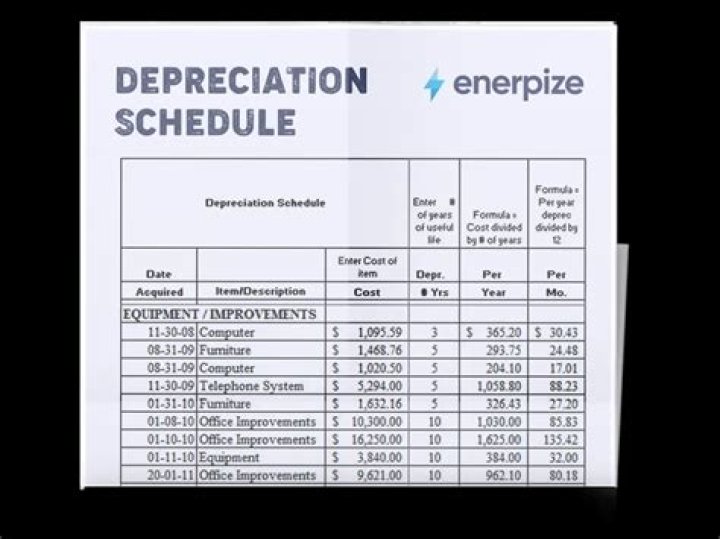
Examples include delivery cars, computers, unit dose carts, buildings, fixtures, and equipment. – The value of the asset after its useful life (N). It assumes that noncurrent assets wear out or are used up at a constant rate. As a result, the depreciation expense is the same each year of the asset life.
What is meant by NDP?
Net domestic product at market prices, abbreviated as NDP, is gross domestic product (GDP) minus the consumption of fixed capital (CFC). NDP, unlike GDP, also takes into account the decrease in the value of fixed assets (e.g. computers, buildings, transport equipment, machinery, etc.) used in the production process.
Which is an example of a depreciation expense?
Meaning, Example What is Depreciation Expense? In accounting parlance, depreciation is referred to as the reduction in the cost of a fixed asset in sequential order, due to wear and tear until the asset becomes obsolete. Machinery, vehicle, equipment, building are some examples of assets that are likely to experience wear and tear or obsolescence.
What does it mean when an asset is depreciated?
Depreciation is an accounting method that measures the reduction in an asset’s value over the course of its useful life. It also represents how much of an asset’s value is depleted due to usage, wear and tear, or obsolescence.
How is depreciation recorded on an income statement?
Definition: Depreciation expense is the cost allocated to a fixed asset during a period. Many people think this is a way to “expense” assets over time, but that’s not really true. It is recorded as an expense on the income statement, but it isn’t an expense of the asset. Instead, it is allocating the cost of the asset over its useful life.
How is depreciation a way to fix a problem?
Depreciation is a way to fix this problem. It takes the depreciable cost of an asset and allocates it over the useful life. This way the expense actually reflects the income produced from the asset in that period. There are several different depreciation methods that accountants can use to allocate costs.