ROE: Is Higher or Lower Better? ROE measures profit as well as efficiency. A rising ROE suggests that a company is increasing its profit generation without needing as much capital. It also indicates how well a company’s management deploys shareholder capital.
What causes an increase in return on equity?
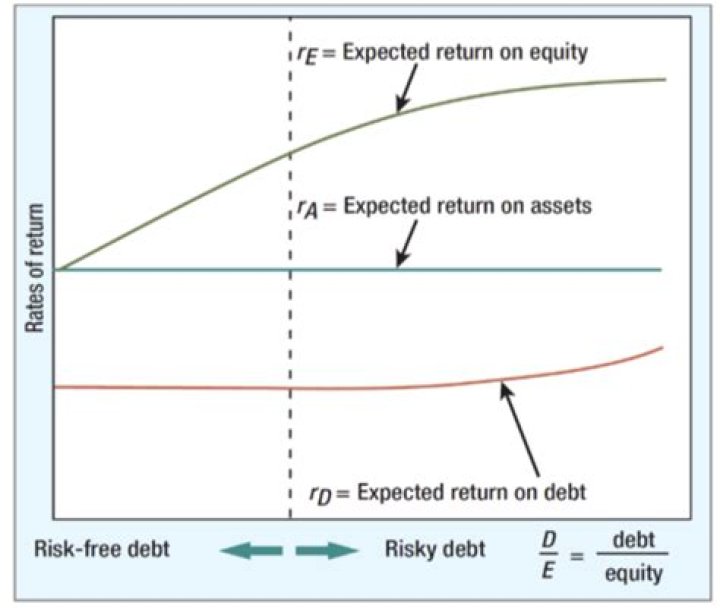
If a company has been borrowing aggressively, it can increase ROE because equity is equal to assets minus debt. The more debt a company has, the lower equity can fall. A common scenario is when a company borrows large amounts of debt to buy back its own stock.
What does it mean when equity increases?
An equity increase is a permanent increase to the base salary that may be granted to an employee under certain circumstances, such as increased duties that do not warrant a reclassification or a significant salary lag to comparable internal positions or the local labor market.
What does return on equity indicate?
Return on equity (ROE) is a financial ratio that shows how well a company is managing the capital that shareholders have invested in it. The higher the ROE, the more efficient a company’s management is at generating income and growth from its equity financing.
How can equity be reduced?
Decreasing Equity Corporations decrease their total equity when they pay dividends to shareholders. Preferred stock often comes with quarterly or annual dividend payment obligations the company must fulfill.
Is increase in equity good?
An increase in the total capital stock showing on a company’s balance sheet is usually bad news for stockholders because it represents the issuance of additional stock shares, which dilute the value of investors’ existing shares.
Why does return on equity decrease?
Sometimes ROE figures are compared at different points in time. Declining ROE suggests the company is becoming less efficient at creating profits and increasing shareholder value. To calculate the ROE, divide a company’s net income by its shareholder equity.
What is equity ratio with example?
The equity ratio formula is: Total equity ÷ Total assets = Equity ratio. For example, ABC International has total equity of $500,000 and total assets of $750,000. This results in an equity ratio of 67%, and implies that 2/3 of the company’s assets were paid for with equity.
What does it mean when your return on equity is growing?
ROE and Management. If ROE is growing, that’s typically a sign of good management. The company’s earning a profit on its assets, and the profits are increasing over time. If you reinvest the money in the company, that increases the total assets, which in turn increases shareholders’ equity.
When to use percentage change in return on equity?
Using the percentage change allows you to better compare the increase or decrease across multiple companies. For example, if return on equity increased by 2 percentage points, that’s not as big a deal for a company that already has a 20 percent return on equity as it is for a company that was previously returning 1 percent.
How can I improve my return on equity?
Improve asset turnover Asset turnover is a measure of a company’s efficiency. You can calculate it by dividing sales by the company’s total assets. In general, the more sales a company produces relative to its assets, the more profitable it should be, and the higher return on equity it should earn.
Why is return on equity lower for second company?
However, despite greater total profits, the first company has a lower return on equity of 6.5% compared to 11.05% for the second company. This is due to the fact that the second company has shareholder’s equity of only $100 compared to $200.