7 Steps Effective Strategic Planning Process
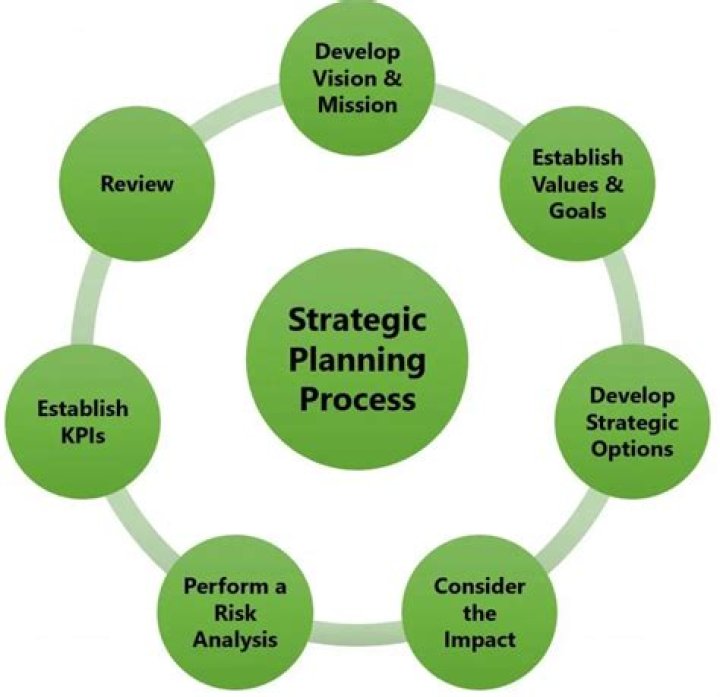
- Step 1 – Review or develop Vision & Mission.
- Step 2 – Business and operation analysis (SWOT Analysis etc)
- Step 3 – Develop and Select Strategic Options.
- Step 4 – Establish Strategic Objectives.
- Step 5 – Strategy Execution Plan.
- Step 6 – Establish Resource Allocation.
What are the 5 stages of strategic planning process?
The 5 Steps of the Strategic Planning Process
- Determine your strategic position.
- Prioritize your objectives.
- Develop a strategic plan.
- Execute and manage your plan.
- Review and revise the plan.
What is strategy management process?
So, what is strategic management process? Strategic management process is a continuous culture of appraisal that a business adopts to outdo the competitors. Simple as it may sound, this is a complex process that also covers formulating the organization’s overall vision for present and future objectives.
What are 5 management strategies?
Top 5 time management strategies used by top managers
- Prioritize your tasks. Mastering prioritization is the first step you need to take before you can get closer to effective time management.
- Plan, plan and plan some more.
- NO multitasking.
- Limit procrastination.
- Delegate the most time-consuming stuff to others.
What are the 6 steps of the strategic management process?
The six steps to the strategic planning process include:
- Identifying your strategic position.
- Gathering people and information.
- Performing a SWOT analysis.
- Formulating a strategic plan.
- Executing a strategic plan.
- Constantly monitoring performance.
What is a strategic planning process?
Strategic planning is the process of documenting and establishing a direction of your small business—by assessing both where you are and where you’re going. The strategic plan gives you a place to record your mission, vision, and values, as well as your long-term goals and the action plans you’ll use to reach them.
What is the first step in strategic management process?
The Strategic Management Process
- Strategic Objectives and Analysis. The first step is to define the vision, mission, and values statements of the organization.
- Strategic Formulation.
- Strategic Implementation.
- Strategic Evaluation and Control.
What is the strategy process?
A strategic process is concerned with making decisions. Decisions are made only after data from various sources is received. This data is received from both within the organization as well as from the environment outside the organization.
What are the four steps of Strategic Management?
Strategic Management: 4 Steps of Strategic Management Process – Explained! 1 1. Identification of Business Objectives and Purpose: The corporate objectives signify the final end results which are to be attained over a period of 2 2. Formulation of Strategies: 3 3. Implementation: 4 4. Evaluation of Strategies:
Which is the final stage of the strategic management process?
Typically, the final step in this stage is to write a mission statement that succinctly communicates your goals to both your shareholders and your staff. Analysis is a key stage because the information gained in this stage will shape the next two stages. In this stage, gather as much information and data relevant to accomplishing your vision.
Which is the final step of Strategy Evaluation?
Strategy Evaluation – Strategy evaluation is the final step of strategy management process. The key strategy evaluation activities are: appraising internal and external factors that are the root of present strategies, measuring performance, and taking remedial / corrective actions.
Which is the first step in the strategic planning process?
Once you have the plan, you’re ready to implement it. First, communicate the plan to the organization by sharing relevant documentation. Then, the actual work begins. Turn your broader strategy into a concrete plan by mapping your processes.