However, the market price (or market value) of an asset does frequently inform mark-to-market accounting practices, which have been part of the Generally Accepted Accounting Principles (GAAP) since the 1990s.
Is mark to market accounting required?
Mark-to-market accounting requires that once a long-term contract has been signed, income is estimated as the present value of net future cash flow. Often, the viability of these contracts and their related costs were difficult to estimate.
What is mark to market accounting method?
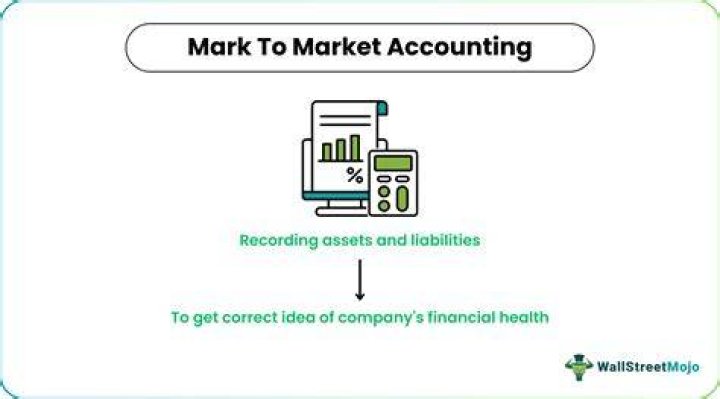
Mark to market (MTM) is a method of measuring the fair value of accounts that can fluctuate over time, such as assets and liabilities. Mark to market aims to provide a realistic appraisal of an institution’s or company’s current financial situation based on current market conditions.
Is mark to market the same as fair value?
Historical cost accounting and mark-to-market, or fair value, accounting are two methods used to record the price or value of an asset. Historical cost measures the value of the original cost of an asset, whereas mark-to-market measures the current market value of the asset.
What is MTM P L?
MTM P&L shows how much profit or loss was made over the statement period, regardless of whether positions are open or closed and with no requirement that closing transactions be matched to an opening transaction.
Why is MTM negative?
Each day the price moves up or down and therefore your margin money value gets adjusted to that extent. As a result, a rise in price will mean positive MTM and a fall in price will mean negative MTM. It is this impact that is captured in the Margin balance column at the end.
What is MTM margin?
How is Mark-to-Market (MTM) margin computed? MTM is calculated at the end of the day on all open positions by comparing transaction price with the closing price of the share for the day. In technical terms this loss is called as MTM loss and is payable by January 2, 2008 (that is next day of the trade).
What is the difference between MTM and P&L?
MTM (or M2M) is generally used while dealing in Futures & Options market. P&L stands for profit and loss. It is simply the difference between the buying price and the selling price of the stock. If buying price > selling price, loss.
How is marked to market value calculated?
The MTM statement calculations for each day are as follows:
- Day 1. Transaction MTM – $50.00 ((50.50 – 50.00) * 100 ) Prior Period MTM – $0.00.
- Day 2. Transaction MTM – ($100.00) ((51.50 – 52.00) * 200 )
- Day 3. Transaction MTM – ($200.00) ((54.00 – 53.00) * -200 )
- Day 4. Transaction MTM – ($50.00) ((53.50 – 54.00) * 100 )
What is MTM loss in intraday?
Mark-to-market (MTM) is a method of valuing positions and determining profit and loss which is used by IBKR for TWS and statement reporting purposes. Under MTM, positions are valued in the Market Value section of the TWS Account Window based upon the price which they would currently realize in the open market.
What do you mean by Mark to market accounting?
Mark-to-market ( MTM or M2M) or fair value accounting refers to accounting for the ” fair value ” of an asset or liability based on the current market price, or the price for similar assets and liabilities, or based on another objectively assessed “fair” value.
How is Mark to market accounting similar to replacement value accounting?
It shows how much a company would receive if it sold the asset today. For that reason, it’s also called fair value accounting or market value accounting. It’s similar to the replacement value in your insurance policy.
What do you need to know about generally accepted accounting principles?
These rules form the groundwork on which more comprehensive, complex, and legalistic accounting rules are based. GAAP covers a wide array of topics such as financial statement presentation, liabilities, assets, equities, revenue and expenses, business combinations, foreign currency, derivatives and hedging and non-monetary transactions.
How did mark to market accounting cause the Great Recession?
How an Accounting Method Might Have Caused the Great Recession. Mark to market is an accounting method that values an asset to its current market level. It shows how much a company would receive if it sold the asset today. For that reason, it’s also called fair value accounting or market value accounting.