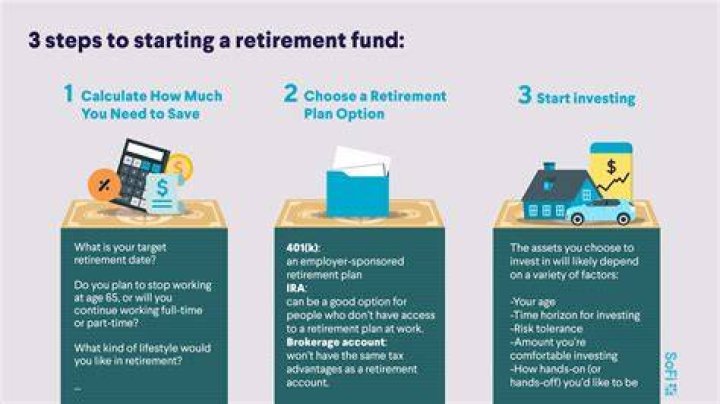
Saving Matters!
- Start saving, keep saving, and stick to.
- Know your retirement needs.
- Contribute to your employer’s retirement.
- Learn about your employer’s pension plan.
- Consider basic investment principles.
- Don’t touch your retirement savings.
- Ask your employer to start a plan.
- Put money into an Individual Retirement.
When should you start planning for retirement?
The answer is simple: as soon as you can. Ideally, you’d start saving in your 20s, when you first leave school and begin earning paychecks. That’s because the sooner you begin saving, the more time your money has to grow.
What is a TFRA retirement account?
A TFRA is a retirement savings plan that works similarly to a Roth IRA. You pay taxes on the money going into the plan, and the growth on your money is not taxed. However, unlike a Roth, a TFRA does not have Internal Revenue Service-regulated restrictions on how or when you take money from your account.
What is the first thing to do when you decide to retire?
Create income plan.
- Find out if any employee benefits extend into retirement.
- Look into your health insurance options.
- Decide what to do with your health savings account (HSA) funds.
- Check your flexible spending account (FSA) balance.
- Elect your pension, if that’s a benefit available to you.
How do I manage money in retirement?
10 Great Tips for Managing Money in Retirement
- Be Tax Efficient with Withdrawals.
- Focus on Creating Retirement Income.
- Make Trade Offs — Know What is Important to You.
- Prioritize Spending on Yourself.
- Look at Your Home Equity.
- Wait as Long as Possible to Start Social Security.
- Be Prepared for Spending Shifts.
Is tax free retirement account real?
Many people mistakenly also call traditional IRAs tax-free accounts. While it is true that the money invested in a traditional IRA is allowed to grow free from taxes, the account is actually a tax-deferred account, meaning that the taxes are only delayed.
What states are tax free for retirement?
Here again, there are many states (14 to be precise) that do not tax pension income at all: Alaska, Florida, Nevada, South Dakota, Tennessee, Texas, Washington, Wyoming New Hampshire, Alabama, Illinois, Hawaii, Mississippi, and Pennsylvania.